- The Intersection
- Posts
- Trust and modern storytelling for good
Trust and modern storytelling for good
Storytelling and Branding in 2026: An interview on what's changing in the nonprofit and public sector

Daniel Francavilla
December 16, 2025
Instead of Friday, this week’s edition is coming at you earlier in the week since it’s not holiday-related, and I know many of us are focused on the year-end push.
If you’re not interested in the intersection of social impact and marketing/branding, this week’s may not be of interest — but stay tuned for more.
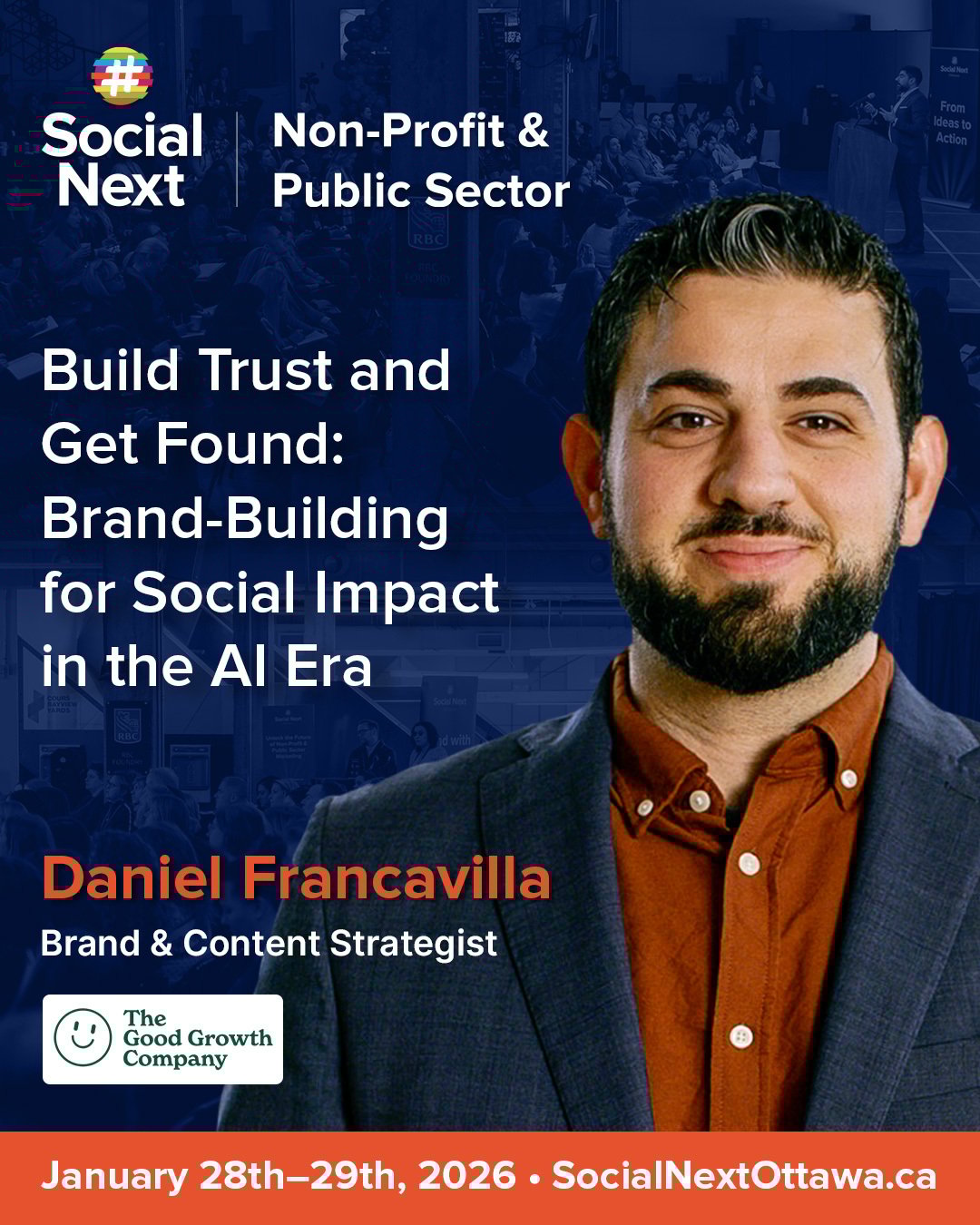
Earlier this month I was interviewed for an article by Marketing News Canada ahead of the upcoming SocialNext Ottawa conference in January. My session there will be on building trust and getting found — Brand Building for Social Impact in the AI-era.
You can read the article or grab your ticket here (save $200 by midnight on December 19, plus more by using the code SNOGUEST25).
|

Below, you can dive deeper as the rest of today’s newsletter features a more detailed version of the interview with the full answers I shared.
What shift are you seeing in nonprofit and public sector storytelling right now?
This year, I've noticed more leaders speak about storytelling, beyond those working in marketing/communication. More organizations are treating storytelling as a strategic asset, not a nice-to-have (and pairing it with data, impact metrics, and clear next steps for supporters). Storytelling is for everyone — it's not up to a single communications staffer.
“A moment unmarked is lost forever” is a quote that stood out to me from another conference recently. It's important for various volunteers and team members to capture these moments, as they could truly move someone on the outside who doesn't get to witness them first-hand.
A year ago, I spoke at the International Fundraising Summit about storytelling for social good, encouraging causes to own their story to grow their impact when it comes to fundraising.
One of the biggest pushbacks I get when working with clients in the sector is concerns about privacy, especially when working with vulnerable communities, but we're now seeing more ethical, trauma-informed, dignity-first storytelling.
What are teams moving away from, and toward?
I'd like to say that we're moving away from shock images, guilt-heavy copy and saviour narratives — these flatten people into problems to be solved. We're moving toward more partnership language and stories that frame community members as co-creators and leaders, not passive recipients.
The most effective nonprofit marketing teams are moving away from generic mass blasts and more toward personalized journeys, segmented content, and channel-specific creative.
Moving forward, I'd like to see more organizations move on from generic graphics with stock-photo style visuals, and more toward video content that's real (including behind-the-scenes, process, team and stakeholders).

Why are traditional need- or guilt-based appeals working less well today? What’s changed in audiences or platforms?
Younger generations demand transparency, values alignment, and a clear role in the solution — many see themselves as partners and change makers, not just wallets.
Donor fatigue is real. We're living through ongoing and overlapping crises, so constant urgency can drive numbness more than generosity. You may have noticed this even more during GivingTuesday earlier this month, with countless appeals coming out at once.
The feed is video-first and story-first, so it's important to think about what type of content from your organization would fit best with this format and what's most likely to be shared.
On top of that, AI-filled feeds and AI summaries are mediating more of what we see, so attention is fragmented, and some tactics get filtered out or drowned out faster.
You talk about brand as a trust “signal” in AI-shaped discovery — what makes a nonprofit/public brand a strong trust signal now?
Clarity in one glance is more important than ever. Whether it's a human or an AI, a visitor to your website or social media should instantly understand who you serve, what you do, and what impact looks like in your work.
As a Brand Strategist, I've always emphasized consistency, which is even more important today in building trust. Everything from taglines to visuals and tone should be aligned on your website, social channels, email marketing, and even staff LinkedIns (which matters more as AI overviews pull from multiple sources at once).
Verifiable proof is always going to help, whether that's recent stories, clear outcomes, financials, third-party coverage, and up-to-date pages that help both humans and machines confirm you’re credible.
Today, nonprofits still enjoy higher trust than many institutions, but people trust people — visible leadership, staff, and community voices all reinforce the logo. This was a big focus of my 2025 SocialNext: Ottawa session on How to Leverage Your Personal Brand and Thought Leadership for Impact.
Whether through AI, search or otherwise, a strong nonprofit brand is easy to explain, clearly active and simple to verify impact.

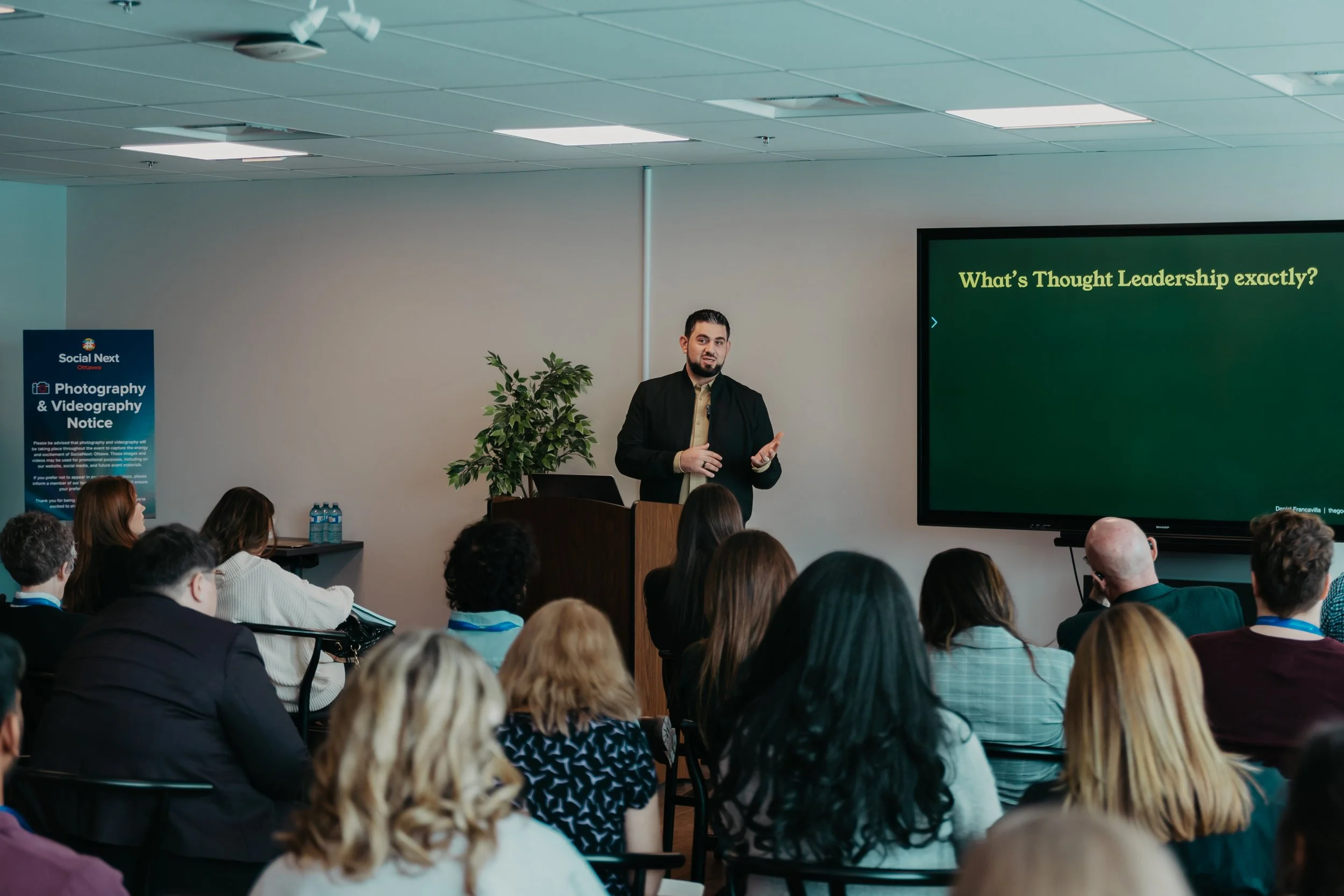
Speaking at SocialNext Ottawa in January 2025
How do orgs tell powerful impact stories while protecting dignity and avoiding exploitation? Any simple guidelines?
This is a sensitive topic, yet a very common concern I've seen. Aim for co-creation over extraction by involving individuals in how their story is framed, where it’s used, and when it’s retired.
Giving beneficiaries the opportunity to tell their own story in their own words may actually pleasantly surprise the organization — this was the case during a content shoot I was hosting for my food bank client, where individuals were so thrilled to share how they were impacted and benefit from the organization, making a direct appeal to donors.
At The Good Growth Company, we hosted a session on Community-Centric Fundraising (which centers the community's needs, voice, and leadership for shared power and outcomes), as an alternative to Donor-Centric Fundraising (which centers the giver's experience and desires).
Show people’s goals, strengths, views and actions first, and position your organization as a platform or amplifier, not the hero.