- The Intersection
- Posts
- Truth, story and responsibility
Truth, story and responsibility
Lessons from a lifetime of showing up

Daniel Francavilla
March 27, 2026
The last couple of weeks, you haven’t gotten an edition of The Intersection because I’ve been in the studio recording the Moment of Clarity series… and we’re back recording all day today! Feel free to follow Clarity Content on LinkedIn and IG where the clips will start rolling out soon.
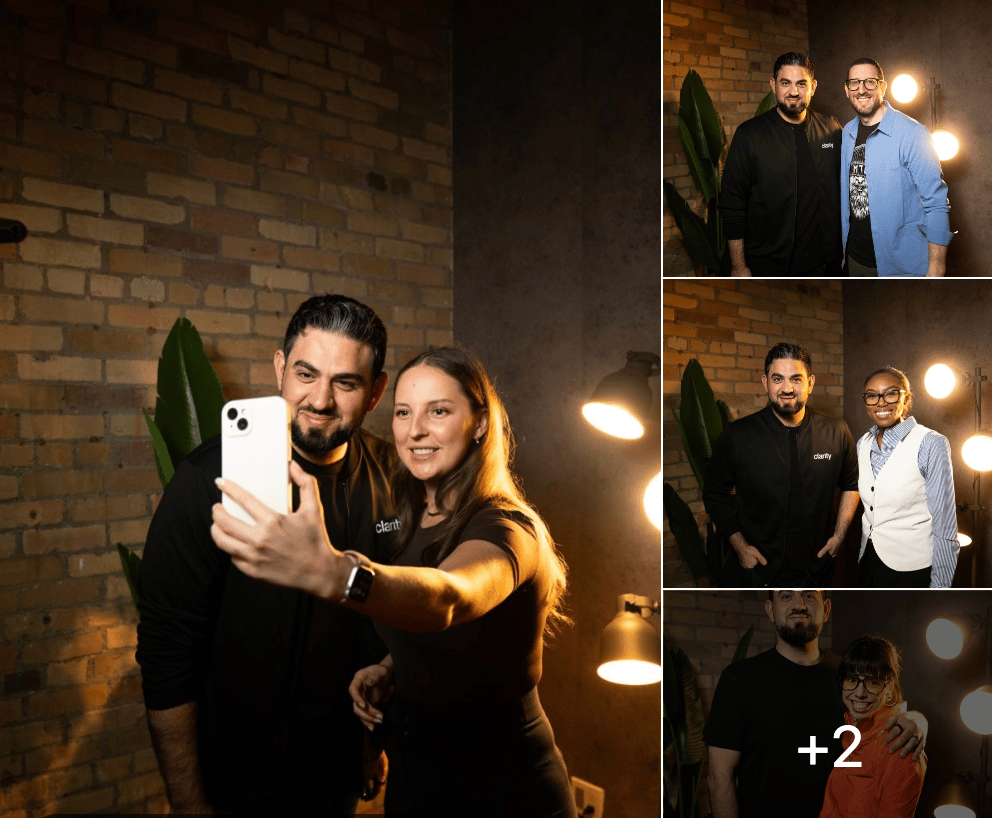
Today’s post isn’t about me or my studio, though.
It’s about the legendary David Suzuki, who’s been out there creating content for several decades longer than me… he was already “old” when I was a kid.
If you didn’t grow up learning about his work in school, Suzuki has been a renowned Canadian environmental activist, scientist, broadcaster, and author for decades, with 50+books under his belt. At 90 years old, he’s still showing up on tour, online, in the media and on stage for an 8:30—10 pm show. (My wife says she could see me trying to keep as busy as him in 50+ years)…
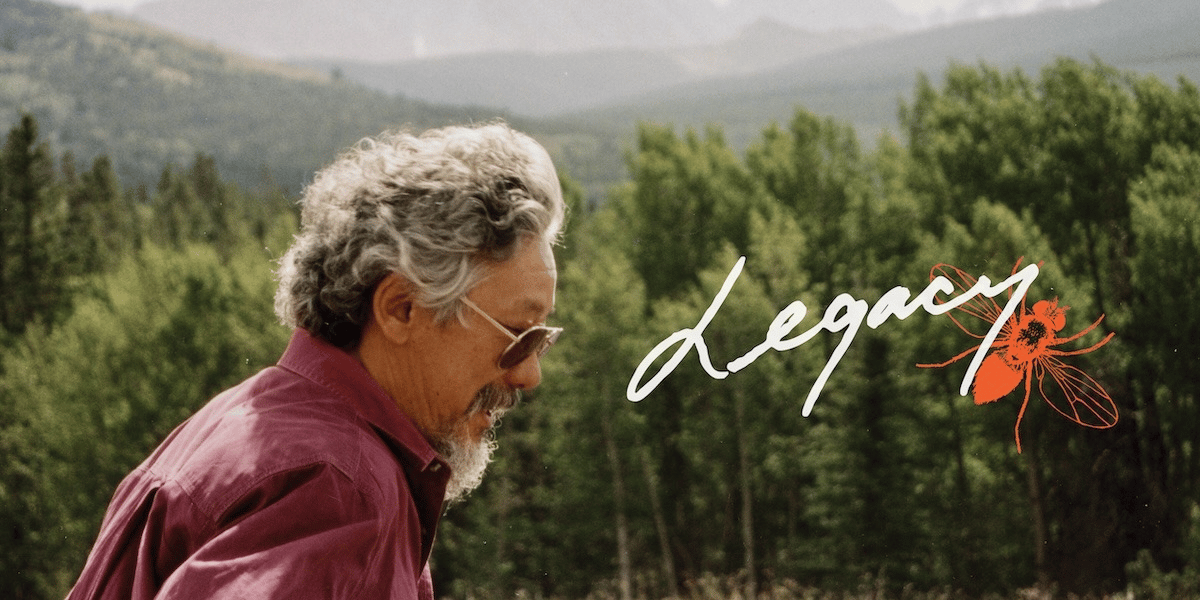
What a lifetime of showing up teaches us about truth, story, and responsibility
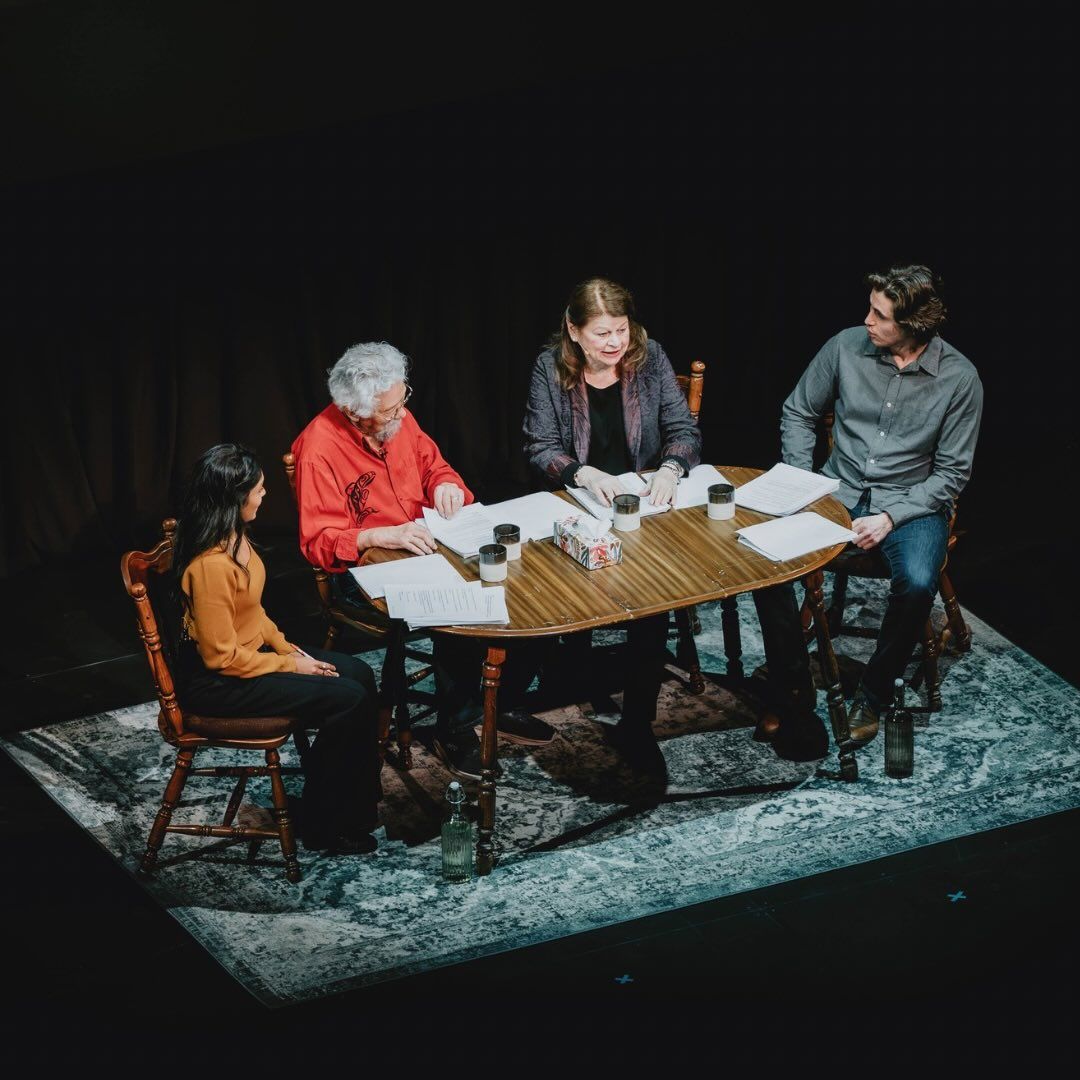
David Suzuki turned 90 this week. I had the chance to see him live on stage on Monday in my hometown of Brampton, alongside his wife Tara Cullis, as part of a live theatre work created around their activism, career and the question of whether love can move people to protect the planet.
For context, Suzuki was born on March 24, 1936. He and Cullis went on to create the David Suzuki Foundation together in 1990 (actually, she founded it).
The format was unexpected and honestly got my attention.
There was no podium, no deck, no keynote rhythm.
It was a scripted play, followed by a conversation and Q&A.
It felt less like attending a talk and more like being invited into someone’s living room after decades of thinking, fighting, teaching, and reflecting. (David and his wife played themselves).
The performance was interesting the whole way through, but there was a Q&A at the end that stuck with me even more.
There are a few takeaways from that discussion that I think are worthwhile sharing with you, so let’s dive in!
Tell the truth, even when it makes people uneasy
One of the strongest moments in the Q&A came when Suzuki said, “I’ve got to tell it like it is.”
He reflected on how often he has been told to soften the message. Don’t make it too negative. Don’t overwhelm people. Don’t say how bad it really is. But he was still clear: people deserve the truth.
That tension shows up far beyond climate, and I’ve written/spoken about how trust has been on the decline. It shows up in business, in leadership, and in content. People spend a lot of time trying to make ideas easier to accept, smoother around the edges, and less likely to create friction.
The problem is that clarity usually asks for more honesty, not less.
Saying what is real, in plain terms, is often the harder choice.
Responsibility belongs to the people who already have a voice
When talking about what today’s young people can do to address the Earth’s most pressing issues, David interestingly responded with:
“A child’s job is to fall in love… parents are supposed to be the warriors.”
It’s a strong way of reframing responsibility. We have built a world where younger generations are more informed, more politically aware, and more active than ever. They are also carrying problems they did not create.
Think about leadership in general. If you have a platform, a business, a role, or a voice that carries weight, are you using it? Or are you waiting for the next generation to carry what should already be yours to take on?
That applies in climate conversations, but also applies to every leader who talks about values, community, or impact. At some point, those things have to show up in action.
Local matters more than we think
Tara spoke about focusing on what is close to you — your community, your neighbourhood, the places where your care can become action.
That matters because most of us are trained to think in terms of scale.
Reach, growth, visibility. Bigger audience, bigger platform, bigger footprint.
But trust and impact usually begin somewhere much smaller. They begin where people know each other, where effort is visible, and where contribution can actually be felt.
The same pattern shows up in my branding and content work. The people who build real momentum tend to earn trust with a specific group before anything broadens out.
Story reaches people in a way that information often can’t
Suzuki and Cullis have spent decades communicating science, policy, and environmental issues. One of the simplest and most useful observations from the evening was that the play reaches people differently.
You could feel that in the room. There were stories, relationships, humour, memory, and emotion. (There were no charts, no data slides, or lectures). People were not just processing info, they were sitting with ideas and even feeling them.
That is something I think about in my client work:
Information helps people understand.
Story gives them a reason to care.
If you want someone to remember a message, feel its weight, or carry it with them after they leave the room, story does a kind of work that raw information often cannot. (Reply if you’d like some of my other content about this).
The format matters too
While David is compelling on his own, I think part of what made the evening effective was that it was actual theatre. It was not just public figures reflecting on stage; it was a deliberately crafted piece of performance, developed in collaboration with theatre-makers, and that shaped the experience. It created intimacy. It gave the ideas texture. It made room for feeling.
Many of us, including me, still default to the same formats when we want to move people: talk, panel, article, report, deck. Those formats have their place, but the medium shapes what lands. If the goal is to reach people more deeply, then how you package the message matters as much as the message itself.
Consistency: A reminder from over 9 decades
Turning 90 is epic on its own. What feels even more epic is the consistency behind it. Decades of speaking, writing, organizing, broadcasting, teaching, and showing up in public life.
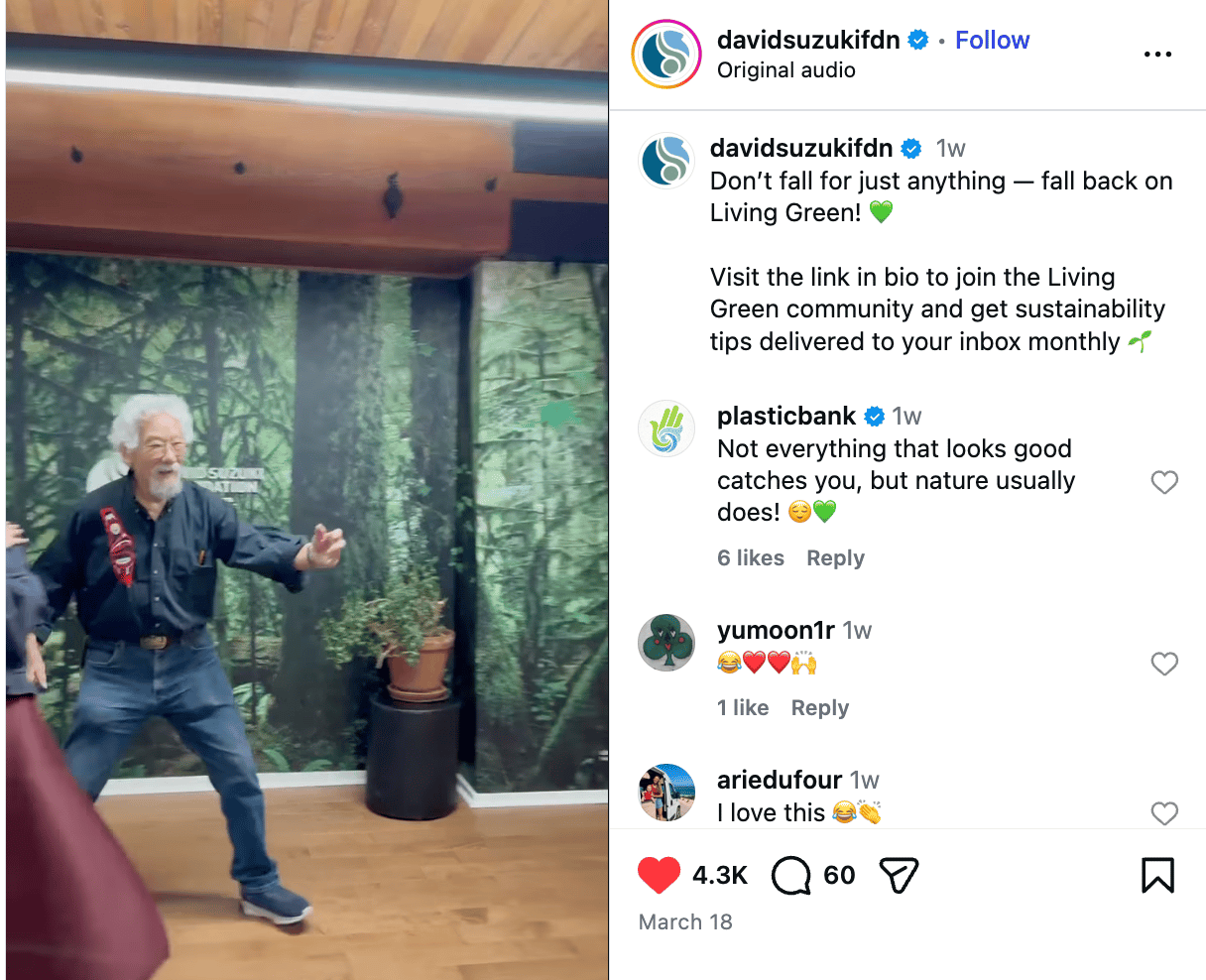
Beyond the scale of what David Suzuki has done, it’s the consistency that stands out for me. The willingness to keep having the conversation, to keep saying what needs to be said, and to find new ways to reach people. From CBC shows to social videos that actually made me laugh, like this one:
That applies just as much to thought leadership and public presence today. The work is rarely about saying one brilliant thing once. It is about showing up again and again with something real to say, in a way people can actually receive.
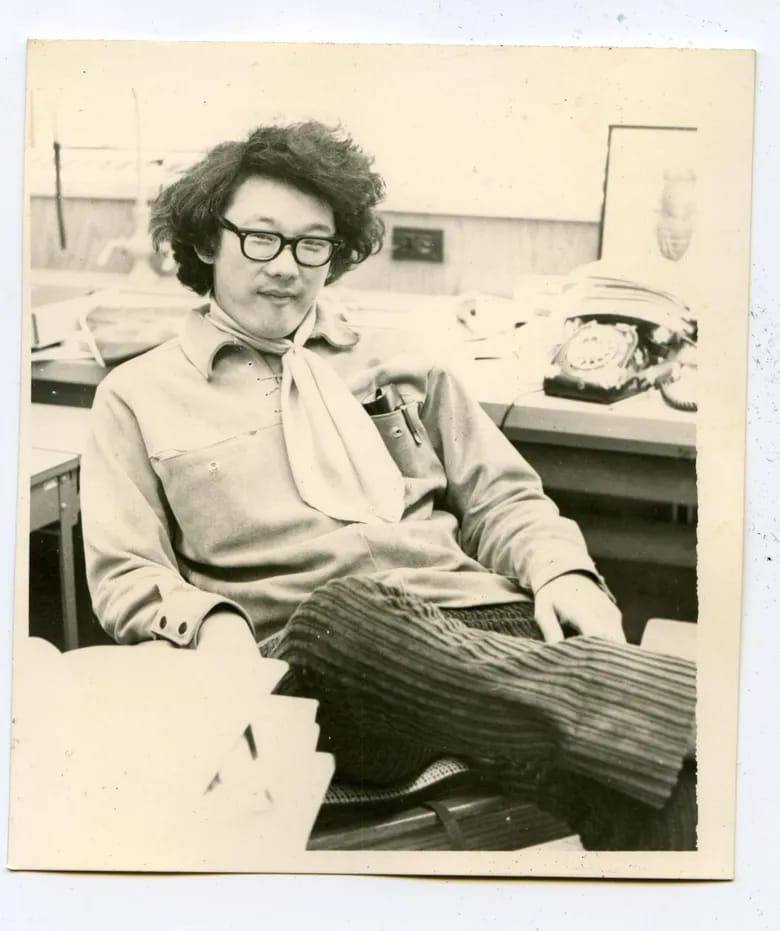
David Suzuki sits at his University of British Columbia office in the late 1960s. He forged a career there as a geneticist and science broadcaster and became a national figure in 1979 as host of the CBC’s “The Nature of Things.” He retired from the show in 2023 as one of Canada’s most trusted voices. (Photo courtesy of David Suzuki)
What I’m taking away
The broader lesson underneath the environmental one was this:
Tell the truth clearly, take responsibility where you can, stay connected to your community, and never underestimate the power of story to move people.
That is a strong lesson for climate work. It is also a strong lesson for leaders, educators, founders, and anyone trying to communicate with more purpose.
Cheers to 90 years of David Suzuki and to a body of work built not only on ideas, but on persistence.
Thanks for reading.
